
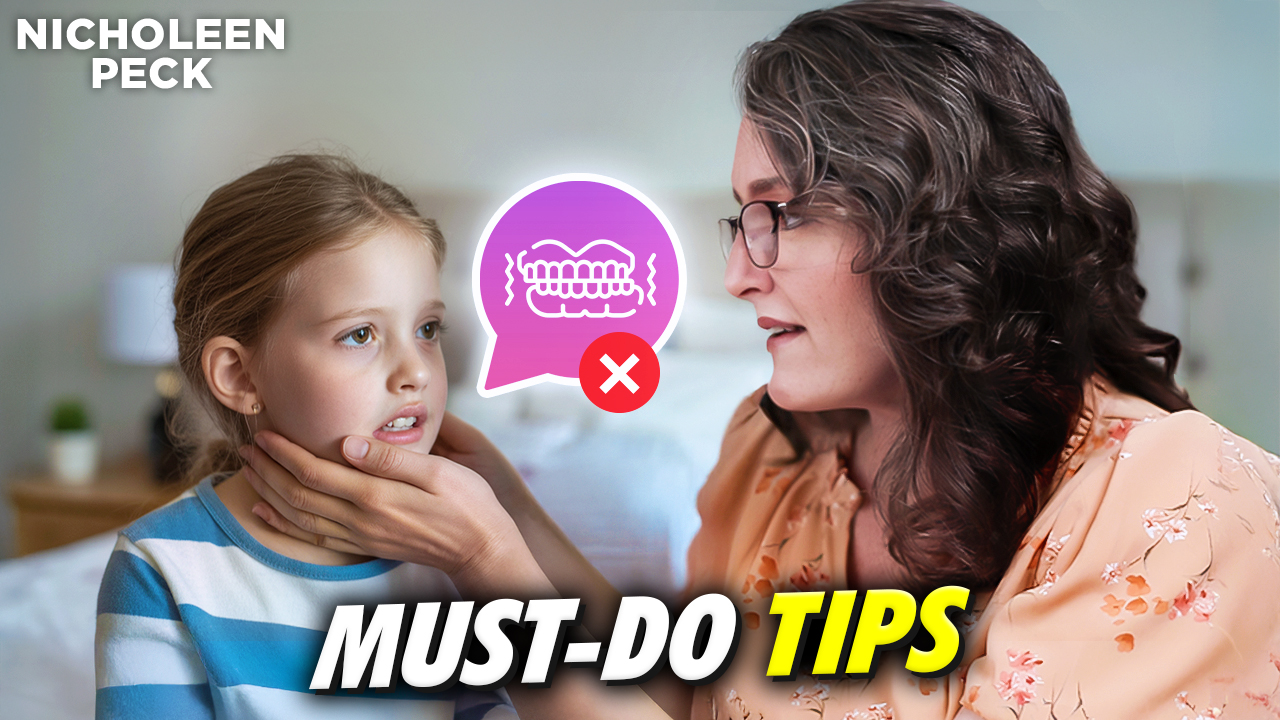
How To Get Kids to Stop Grinding Their Teeth
How To Get Kids to Stop Grinding Their Teeth
Hearing your child grind their teeth—especially in the middle of the night—can be alarming. While occasional teeth grinding (also called bruxism) is relatively common in children, persistent grinding can lead to worn teeth, jaw discomfort, headaches, and long-term dental issues if left unaddressed.
The good news is that many children can learn healthier habits with the right combination of awareness, calming strategies, and consistent guidance. Rather than simply telling a child to "stop grinding," it's important to understand why it's happening and teach skills that promote relaxation and self-regulation.
In this article, we'll explore the common causes of teeth grinding and practical strategies parents can use to help their children reduce or eliminate the habit.
What Causes Kids to Grind Their Teeth?
Children grind their teeth for many different reasons. Identifying the underlying cause is the first step toward finding an effective solution.
1. Nighttime Teeth Grinding
Many children grind their teeth while they're asleep and have no idea they're doing it. Parents often discover the habit because they hear the grinding from another room or notice signs of wear during dental visits.
Because the behavior happens unconsciously, nighttime grinding can be more challenging to address than daytime habits.
2. Stress or Anxiety
Emotional stress is one of the most common contributors to teeth grinding.
Children may clench or grind their teeth when they're feeling anxious about:
School
Friendships
Family changes
Performance expectations
General life stress
Even when children don't openly express their worries, their bodies may respond through muscle tension during the day or night.
3. Intense Concentration
Some children unknowingly clench their jaws while concentrating.
Whether they're reading, doing homework, playing video games, or working on a project, intense focus can create muscle tension that leads to grinding or clenching.
4. Jaw Alignment or Bite Issues
In some cases, a child's bite or jaw alignment may contribute to grinding.
As children's mouths grow and new teeth erupt, their bite naturally changes. Sometimes these developmental changes reduce grinding on their own, while other situations may require evaluation by a dental professional.
5. Medication Side Effects
Certain medications—particularly stimulant medications used to treat some mental health or attention-related conditions—may increase muscle tension and contribute to jaw clenching or teeth grinding.
If you suspect medication may be playing a role, consult your child's healthcare provider before making any changes.
Why Teeth Grinding Shouldn't Be Ignored
Although many children eventually outgrow teeth grinding, persistent bruxism can lead to a variety of problems, including:
Worn or flattened teeth
Cracked enamel
Increased tooth sensitivity
Jaw pain or tightness
Headaches
TMJ (temporomandibular joint) discomfort
Gum recession in some cases
Addressing the habit early may help prevent more serious dental complications later.
Build Awareness First
One of the most powerful tools for changing any habit is awareness.
Children often don't realize they're clenching their jaw or grinding their teeth. Helping them recognize when it happens gives them the opportunity to make a different choice.
For daytime grinding, encourage your child to occasionally ask themselves:
Is my jaw tight?
Are my teeth touching right now?
Can I relax my mouth?
This simple self-check builds body awareness and lays the foundation for healthier habits.
Teach Relaxed Jaw Positioning
Once children become aware of jaw tension, teach them what a relaxed jaw feels like.
Generally, a relaxed mouth means:
Lips are gently closed.
Teeth are slightly apart.
Jaw muscles feel loose rather than tight.
Tongue rests comfortably inside the mouth.
Practicing this relaxed position throughout the day can reduce unconscious clenching over time.
Use Gentle Reminder Cues
If your child frequently forgets to relax their jaw, create a simple reminder system.
You might use a cue phrase such as:
"Soft jaw."
"Relax."
"Check your jaw."
"Take a breath."
These gentle prompts encourage self-correction without criticism or conflict.
For older children and teens, setting a periodic reminder on a smartwatch or phone can also encourage regular self-checks throughout the day.
Teach Healthy Calming Strategies
Because stress often contributes to grinding, helping children calm their nervous system can reduce the urge to clench.
Healthy calming techniques include:
Slow, deep breathing
Mindfulness exercises
Progressive muscle relaxation
Stretching the neck and shoulders
Listening to calming music
Quiet reading before bed
Maintaining a consistent bedtime routine
Deep breathing is especially effective because it naturally signals the body to relax, helping release tension in the jaw and facial muscles.
Help Children Replace the Habit
Breaking a habit is often easier when it's replaced with a healthier behavior.
Instead of simply telling a child to stop grinding, encourage them to substitute another calming action whenever they notice jaw tension.
Examples include:
Taking three slow breaths
Relaxing the shoulders
Repeating a calming phrase
Checking body posture
Consciously loosening facial muscles
These replacement behaviors reinforce self-regulation rather than relying solely on external reminders.
Address Nighttime Grinding
Nighttime bruxism requires a slightly different approach because children aren't aware they're doing it.
Helpful strategies may include:
Establishing a calming bedtime routine
Reducing evening stress
Practicing jaw relaxation before sleep
Discussing persistent grinding with your dentist
In some situations, a dentist may recommend a custom night guard or another protective appliance if grinding is causing damage.
Know When to Consult a Professional
If your child experiences ongoing grinding along with pain or dental changes, seek professional guidance.
Talk with your dentist if your child has:
Noticeable tooth wear
Jaw pain or clicking
Frequent headaches
Difficulty chewing
Sensitive teeth
Grinding that continues despite home strategies
Your dentist can evaluate whether the grinding is affecting your child's oral health and recommend appropriate treatment if necessary.
Be Patient With the Process
Like many habits, teeth grinding rarely disappears overnight.
Children benefit most from calm, consistent guidance rather than repeated criticism. Celebrate progress, reinforce healthy coping skills, and continue encouraging self-awareness.
As children mature, develop better emotional regulation, and experience natural changes in jaw growth and tooth alignment, many see significant improvement.
Final Thoughts
Helping a child stop grinding their teeth begins with understanding what's driving the behavior. Whether the cause is stress, concentration, jaw tension, or normal development, teaching relaxation, increasing awareness, and encouraging healthier coping strategies can make a meaningful difference.
By combining patience, consistent practice, and professional dental care when needed, parents can help protect their child's oral health while also strengthening important lifelong self-regulation skills.